

Hard-Won Lessons for Aspiring Functional Beverage & Supplement Entrepreneurs
A GTM Masterclass on Hustle, Science, and Global Scale

It’s been a minute.
If you’ve followed me for a while, you know my work usually focuses on the high-level mechanics of Go-to-Market strategy. But lately, I’ve been reflecting on where that expertise actually comes from. It wasn’t born in a boardroom; it was forged in the “dark,” during the early, messy days of launching my first CPG brand.
Actually, I’m currently back in that “dark” phase, leaning into the raw audacity it takes to relaunch. I am bringing CAZO (pronounced kah-zo) back to life at cazolife.com after watching domain parkers scoop up my original URL. Instead of paying the $800+ ransom, I’m doing what I teach: I’m pivoting, protecting my margins, and moving forward.


My brother, who has since transitioned, was leading CAZO. In his honor, I hope to continue the legacy set by our elders. From the Alafia Wanlamkoum that our mother made global across Africa, to what we are introducing to the world today—this is the heart of CAZO.
The journey started long before NINI or CAZO. Long before the GTM decks and the retail placement spreadsheets, I was the girl in Libreville, Gabon, selling food after school hours just for the fun of the hustle. I remember the humidity, the chatter of the markets, and the thrill of a successful transaction. From those West African streets to the bustling sidewalks of Harlem, where I sold incense and oils to passersby, my education has always been one of real connections and real commerce. I’m not new to the hustle; I’ve just scaled the tools.
That path wasn’t efficient, but it was effective. It shaped the way I consult today because I don’t just understand the theory of a launch; I understand the physical and psychological toll of it. If you are currently fumbling in the dark, wondering if the struggle is a sign of failure, this masterclass is for you.
1. Don’t Wait for Permission
The biggest mistake I see aspiring founders make is waiting for a guide, a “seal of approval,” or a formal mentor to validate their existence. If I could go back, I’d tell myself: Take charge of your journey immediately. The industry doesn’t hand out roadmaps, and it certainly doesn’t wait for you to feel ready.
But I’ll be honest: taking charge isn’t a one-time decision. It’s a daily battle. Toward the end of my NINI journey, especially when the COVID obstacles felt insurmountable, I’ll admit I allowed weakness to creep in. I let the voices of naysayers—those who said bootstrapping a global brand from scratch was impossible—take over my internal narrative. I started to wonder if I had bitten off more than I could chew, and for a moment, I forgot my roots and the raw audacity it took to even start.
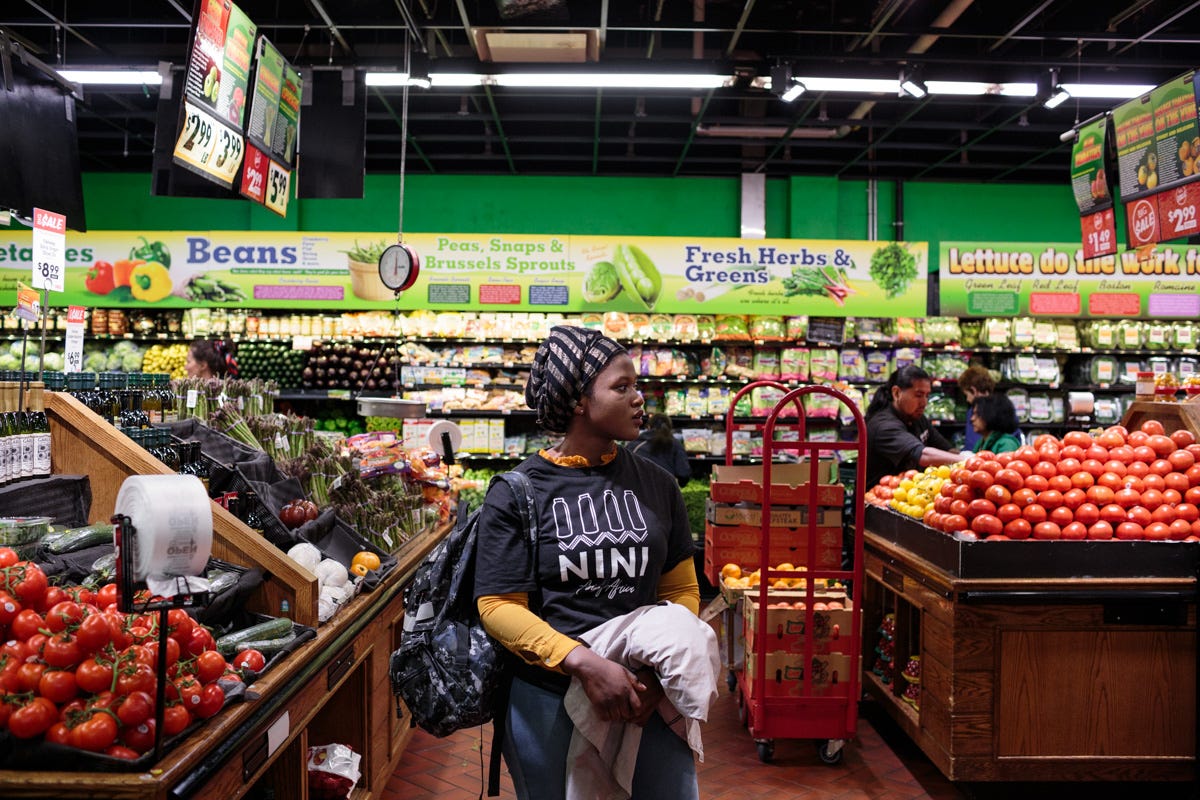
I had to remind myself that entrepreneurship wasn’t just a career choice for me; it was in my DNA. I thought back to my mother, a master herbalist in Gabon. She carried me in her belly while hitting the busiest, most crowded streets of Libreville with her herbal medicines to reach new clients. At that time, she already had 15+ shops, but she didn’t rely on her staff alone to move the business.

She understood that she was the engine. She knew that no matter how large your infrastructure grows, the founder’s feet must remain on the ground to maintain the pulse of the market. She didn’t wait for a “mentor” to tell her it was okay to expand—she just moved. When you feel like an impostor, remember that this feeling is often just a temporary lack of data. When you don’t know the answers, you feel like a fraud. The fix? Ask the hard questions. Experience isn’t something you wait for; it’s something you take.
2. Get Your Foundations Right (The “Boring” Work is the Essential Work)
Before you spend a single dollar on “aesthetic” branding or professional photoshoots, you must lay a solid technical foundation. Precision and authenticity beat scale every time, but precision isn’t just a marketing buzzword; it’s a technical requirement.
Shelf Life & Stability: The heartbreak of seeing your first batch spoil on a retail shelf is a lesson you don’t want to learn the hard way. Perishables and natural ingredients don’t care about your marketing plan if they spoil in two weeks. You need to understand water activity, pH levels, and microbial growth. If the product isn’t stable, the brand isn’t scalable.
Leverage Institutions: You don’t have to be a food scientist to launch a food brand, but you do need to know where to find them. Reach out to research labs or universities—like Cornell’s Food Science programs—for testing support. They have resources specifically designed to help small startups navigate the bridge from “home kitchen” to “commercial scale.” Don’t guess on safety; verify it.
Compliance is Non-Negotiable: Familiarize yourself with USDA and local food safety laws. Regulations change by state and by category. Establish relationships with inspectors before you have a problem. An inspector who recognizes your proactivity and transparency becomes a strategic ally; an inspector who finds a violation in the dark is a hurdle.
The Brutal Math of Unit Economics: Understand your “landed cost” down to the cent. If it costs you $4 to make a bottle that retails for $6, you don’t have a business; you have an expensive hobby. Once you factor in distributor margins (usually 30%), retailer margins (40%), slotting fees, and marketing spend, that $2 margin disappears instantly. You need to build for profitability from day one, or the scale will actually kill your business faster.
3. Build Your Hustle
Once the foundation is set, you have to hit the pavement. Digital ads are great for visibility, but in CPG, the “boots on the ground” approach provides the fastest feedback loop and the strongest loyalty.
Door-to-Door is the Best Data: Walking into a store with a cooler bag and a pitch is terrifying, but it’s where you learn what buyers actually want. When I was selling oils in Harlem, I learned that customer connection is the only currency that doesn’t devalue. In CPG, every “no” from a buyer is market research. Is the price too high? Is the packaging too tall for their specific shelves? Is the category already over-saturated?
Persistence Over Perfection: Sometimes the only thing standing between you and a retail placement is timing. Maybe the buyer had a bad morning; maybe they just reset their shelves. A “no” today is often a “not right now.” Keep a positive attitude and keep showing up. Reliability is a form of branding.
Detailed Records: Document every interaction. Track who you talked to, what they liked, and—more importantly—what they hated. Adapt your “pitch” based on what the store managers actually care about: margins, shelf-velocity, and ease of restocking. These independent stores are the foundation of long-term growth; their loyalty is your shield against legacy competitors.
4. The Global “Pay to Play”: Lessons from Lomé
Reflecting on the “Perfect Storm” of 2020, I remember the specific obstacles we faced during our expansion in Lomé, Togo.
The challenges of the CPG industry are universal, but the stakes change when you go global, especially in a bargaining economy. While I can’t dig too deep into the local politics of the region, the reality was a magnified version of “Pay to Play.” In many emerging markets, there is already an entrenched “big company” presence—dominant players who have held the market for decades. They want to remain the leading home for all things beverages and will use every tool available—from supply chain buyouts to regulatory barriers—to keep small innovators at bay.

As a founder in my early twenties, I was thinking years ahead of the game, piloting supplement products at Asigamé (Togo’s largest market). I was navigating price volatility and the complexities of remote collaboration, but I was also facing a market consolidation that no amount of “hustle” could bypass without significant capital. It was a masterclass in the “invisible” costs of expansion: the cost of being first, the cost of being small, and the cost of being a disruptor in an environment that values the status quo.
5. It’s Not a Goodbye, It’s a Pivot
Shutting NINI down due to COVID-19 obstacles and supply chain disruptions was one of the hardest decisions of my career. It felt like a failure at the time, but I’ve come to appreciate the journey it gave me.
NINI may down the line shift toward a B2B model—focusing on providing quality, wholesale raw materials for those overseas—leveraging the deep sourcing networks I spent years building in Africa. I realized that my early twenties weren’t spent “failing”; they were spent gaining a masterclass in global commerce, negotiation, and resilience.
Pivoting isn’t an admission of defeat; it’s a recognition of market reality. It’s about taking the assets you’ve built—the knowledge, the network, the formulas—and moving them into a more sustainable vessel. In the world of CPG, trust builds over time, and consistency is the currency that compounds success.
Final Words of Advice
The CPG world is a marathon. If you’re starting without resources, you will learn quickly—and sometimes painfully. But those lessons are invaluable. They become your “Formula” for future success.
Pivoting is what distinguishes an entrepreneur from a dreamer. It’s the ability to realize that while the “vessel” (the brand) might change, the “vision” (the expertise and impact) only grows stronger. Success isn’t always about the brand that stays the same; it’s about the founder who keeps evolving, driven by the same spirit that once sold snacks in Libreville and incense in Harlem.
Stay adaptable, stay honest, and keep pushing.
Are you currently developing a functional product or planning a retail launch? I’ve helped founders navigate everything from recipe formulation to securing 100+ retail placements. Let’s talk about your GTM strategy in the comments, or reach out for a private consultation.
Naima Atti Head of GTM Strategy & Consumer Growth Consultant www.naimaatti.com | cazolife.com
Love this! As a first time founder with a year old wellness brand, I can relate especially to the looking for validation aspect. My new mindset is to break rules and go against the herd in many ways. So much so that I’m in the process of building my own mini mfg facility to own the entire mfg process and bring down costs radically. Seems crazy and wildly risky, but so does working with middlemen who care zero percent about my brand and continue to let me down while raising prices. Thanks for your post!